
Aluminium Composite Panel Price Update | Latest Market Rates
By:Admin
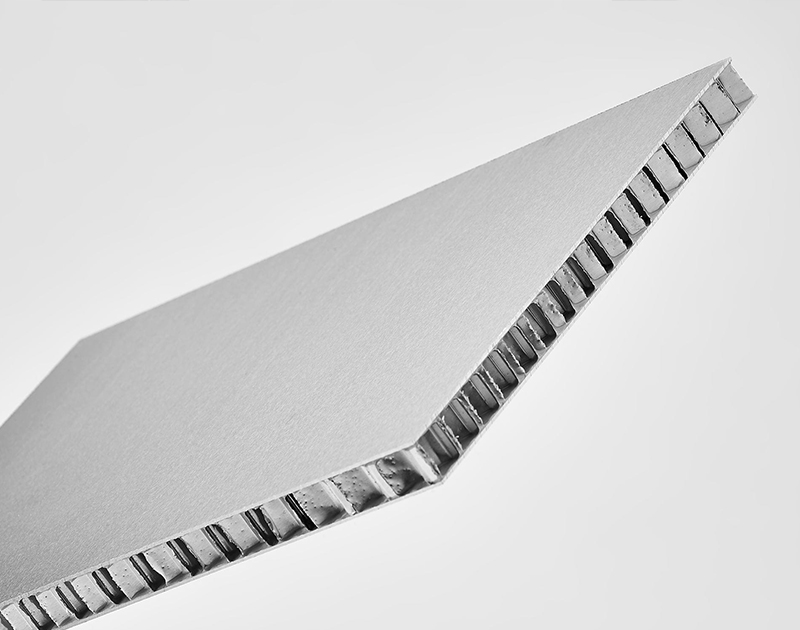
The aluminium composite panel (ACP) market is demonstrating notable shifts as price adjustments continue to impact the construction and building materials sectors. Recent trends indicate a significant movement in the pricing of aluminium composite panels, influenced by factors such as raw material costs, supply chain dynamics, and evolving market demand. This article explores the current pricing landscape of aluminium composite panels, shedding light on industry drivers and providing an overview of key market players.
**Market Overview**
Aluminium composite panels have long been favored in the architectural and construction industries for their versatility, durability, and aesthetic appeal. They consist of two thin aluminium sheets bonded to a core material, offering a lightweight yet robust cladding solution for walls, facades, and interior applications.
Over recent months, the price of aluminium composite panels has experienced fluctuations, largely shaped by the rise in aluminium ingot prices, logistics challenges, and fluctuating demand in key regions. Manufacturers and suppliers are navigating this scenario by adjusting pricing strategies to maintain competitiveness, while also striving to meet evolving customer needs for quality and performance.
**Factors Influencing Current Price Movements**
1. **Raw Material Price Volatility**
Aluminium prices globally have been marked by volatility, driven by supply constraints and global economic factors. The cost of aluminium ingots forms a substantial portion of the total cost of composite panels, hence price changes at this level significantly affect final product pricing.
2. **Supply Chain Challenges**
Recent global disruptions have posed challenges in procurement and timely delivery of materials. Increased freight costs, port congestions, and labor shortages contribute to higher operational expenses for manufacturers, which in turn reflect in ACP prices.
3. **Energy Costs**
Production of aluminium composite panels is energy-intensive. With rising energy costs, especially in regions reliant on fossil fuels, manufacturers face higher production expenses. This factor has become critical amid global energy price surges.
4. **Market Demand Fluctuations**
The construction sector, particularly in emerging economies, continues to drive demand for ACPs. However, market demand has shown variability due to economic cycles, influencing production scales and pricing adjustments.
**Industry Application and Demand Dynamics**
Aluminium composite panels are extensively used in commercial, residential, and industrial construction projects. Their ability to withstand environmental stressors such as UV radiation, moisture, and temperature variations make them ideal for modern architectural designs.
Urbanization and infrastructure development in developing countries maintain demand momentum. Additionally, renovation activities and trends toward sustainable building materials encourage adoption of ACPs that conform to environmental standards.
**Company Introduction**
Among the prominent players in the aluminium composite panel market, several manufacturers have established a strong presence by leveraging advanced production technologies, efficient supply chain management, and commitment to quality.
One such company has developed comprehensive capabilities in producing high-grade aluminium composite panels tailored to meet diverse application demands. Their product portfolio encompasses various thicknesses, finishes, and core materials, catering to both aesthetic and functional requirements.
Through continuous investment in research and development, this company ensures adherence to international standards, including fire resistance, environmental compliance, and mechanical performance. Furthermore, their extensive distribution network facilitates timely delivery and customer support across multiple regions.
**Strategies for Navigating Price Adjustments**
To address the challenges posed by increasing costs, manufacturers are adopting various strategies:
- **Innovation in Material Use**: Exploring alternative core materials and improved coatings to optimize cost without compromising quality.
- **Operational Efficiency**: Streamlining production processes to reduce waste and improve energy efficiency.
- **Supply Chain Optimization**: Collaborating closely with suppliers and logistics providers to mitigate delays and cost escalations.
- **Customer Engagement**: Providing flexible pricing models and value-added services to retain customer loyalty during periods of price fluctuation.
**Outlook and Future Prospects**
Looking forward, the aluminium composite panel market is expected to maintain steady growth, supported by ongoing construction activities and development projects worldwide. Technological advancements aimed at enhancing panel performance and sustainability will likely influence future product offerings.
Price stabilization may occur as raw material supply normalizes and energy costs moderate. Additionally, the increasing adoption of green building standards may drive demand for eco-friendly ACPs, encouraging innovation within the industry.
**Conclusion**
The recent rise in aluminium composite panel prices reflects a complex interplay of global economic factors, raw material costs, and market demand dynamics. Manufacturers and stakeholders within the construction sector must stay informed and agile to adapt to this changing landscape.
With robust product quality, strategic innovation, and efficient operational management, leading ACP producers are well-positioned to meet the evolving needs of the market while navigating pricing challenges. As infrastructure development and architectural design trends evolve, aluminium composite panels will continue to play a vital role in shaping modern built environments.